
round mirror with backlight
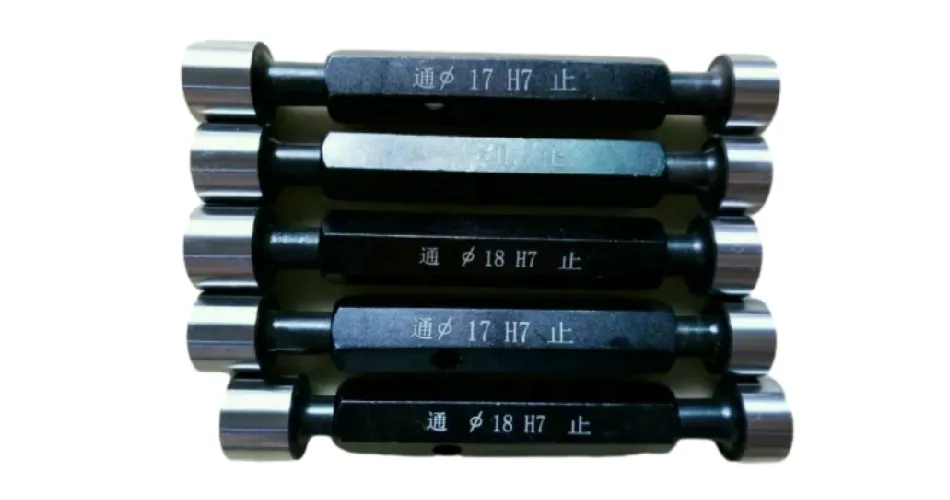
Understanding Small Bore Gauges Essential Tools for Precision Measurement In various industries, precision measurement is crucial for ensuring quality and safety. Small bore gauges are specialized tools that play an essential role in this process, particularly in the machining and manufacturing sectors. These instruments are designed to measure the internal diameter of holes, tubes, or cylindrical parts with high accuracy, facilitating the inspection of components in terms of size and fit. What are Small Bore Gauges? Small bore gauges, often referred to as internal gauges or plug gauges, are designed to measure the internal dimensions of small openings or bores that are otherwise difficult to reach with standard measuring tools. These gauges come in various designs, including dial bore gauges, electronic bore gauges, and manual bore gauges. The choice of gauge typically depends on the specific application, the precision required, and the size of the bore being measured. Types of Small Bore Gauges 1. Dial Bore Gauges These gauges have a dial indicator that displays the measurement readings. They are equipped with a probe that expands and contracts within the bore. The dial provides an easy-to-read measurement, allowing operators to quickly assess the internal dimensions. 2. Electronic Bore Gauges With advancements in technology, electronic bore gauges have become increasingly popular. These gauges provide digital readings and often include features such as data storage, allowing for convenient logging of measurements and integration with computer systems for quality control processes. 3. Manual Bore Gauges The most traditional type, manual bore gauges often require a skilled operator to interpret measurements. They are usually simpler in design and can be more cost-effective for smaller operations that may not require the precision offered by their digital counterparts. Applications of Small Bore Gauges small bore gauge Small bore gauges are utilized in a wide range of applications across different industries. In manufacturing, they're crucial for measuring the internal diameters of drilled holes, ensuring that components meet specifications. This is vital in sectors such as automotive, aerospace, and medical device manufacturing, where tolerances are critical to the functionality and safety of the final products. For instance, in the automotive industry, the proper fit of engine components is necessary for optimal performance. Small bore gauges enable manufacturers to ensure that parts like cylinders and bushings meet the precise requirements, reducing the risk of engine failure or inefficiencies. Importance of Calibration and Maintenance To maintain the accuracy and reliability of small bore gauges, regular calibration and maintenance are essential. Over time, any measuring instrument can drift from its original settings due to wear and tear, environmental changes, or mishandling. Hence, establishing a routine calibration schedule is vital. Calibration involves comparing the gauge’s readings with a standard measurement and adjusting it as necessary. This process ensures that it continues to provide accurate readings. Additionally, proper cleaning and storage of the gauges help prolong their lifespan and maintain their precision. Conclusion Small bore gauges are indispensable tools in the measurement arsenal of engineers and machinists alike. Their ability to provide precise measurements of internal dimensions makes them crucial in ensuring that parts are manufactured to the highest standards. With various types available, users can select the right gauge for their specific needs, whether for high-volume production or detailed inspections. As industries continue to evolve with advancements in technology, the role of small bore gauges in quality control will remain significant. Emphasizing regular maintenance and calibration will ensure that these tools provide the accuracy and reliability necessary for modern manufacturing processes. Understanding how to effectively use and maintain small bore gauges is essential for any professional involved in precision engineering and manufacturing. In a world where quality is paramount, small bore gauges stand out as a testament to the commitment to achieving excellence in product standards.
about
round mirror with backlight
Understanding Pressure Control Valves A Key Component in Fluid Systems Pressure control valves play a crucial role in fluid systems, ensuring that the pressure within piping networks remains within designated limits. These valves are integral to various applications, including water treatment facilities, chemical processing, and HVAC systems. In this article, we will explore the working principles, types, and applications of pressure control valves, highlighting their importance in maintaining system efficiency and safety. What is a Pressure Control Valve? A pressure control valve (PCV) is a mechanical device used to modulate the pressure of fluids within a system. By automatically adjusting the flow rate of the fluid, these valves ensure that the pressure does not exceed or fall below the desired setpoint. This capability makes them essential for protecting equipment, enhancing efficiency, and ensuring safe operations. How Do Pressure Control Valves Work? The operation of a pressure control valve is relatively straightforward. These valves can be categorized into two primary functions pressure relief and pressure regulation. 1. Pressure Relief Valves These valves are designed to release excess pressure from the system. When the fluid pressure exceeds a specified threshold, the valve opens, allowing fluid to escape, thereby preventing damage to pipes and equipment. Once the pressure drops to acceptable levels, the valve automatically closes, restoring normal system conditions. 2. Pressure Regulating Valves Unlike relief valves, pressure regulating valves maintain a constant downstream pressure despite fluctuations in upstream pressure or flow rates. They achieve this by adjusting the valve opening in response to changes in pressure. When downstream pressure drops, the valve opens more to allow additional fluid flow; conversely, when the pressure is too high, the valve closes to restrict flow. Types of Pressure Control Valves Pressure control valves come in various designs, each suited for specific applications. Some of the most common types include - Spring-Loaded Valves These valves use a spring mechanism to provide the necessary force to open or close the valve in response to pressure changes. They are widely used in both pressure relief and regulation applications. pressure control valve - Pilot-Operated Valves These valves utilize a smaller pilot valve to control the opening and closing of a larger main valve, allowing for more precise control over the system pressure. They are particularly useful in high-pressure applications. - Electronic Valves With advancements in technology, electronic pressure control valves have emerged . These valves use sensors and actuators to provide real-time pressure regulation, allowing for more sophisticated and responsive pressure management. Applications of Pressure Control Valves Pressure control valves are used in a wide range of industries, including - Water and Wastewater Treatment PCVs ensure that pressure levels are maintained in treatment plants and distribution systems, safeguarding against system failures and ensuring effective water delivery. - Chemical Processing In chemical manufacturing, precise pressure control is often critical to ensure safety and product quality. PCVs help manage the pressure of various processes, preventing hazardous conditions. - Oil and Gas In the oil and gas industry, pressure control valves regulate the pressure in pipelines and processing facilities, preventing leaks and ensuring safe operations. - HVAC Systems In heating, ventilation, and air conditioning systems, PCVs help maintain optimal pressure levels, contributing to energy efficiency and system reliability. Conclusion In conclusion, pressure control valves are indispensable tools for managing fluid systems across diverse industries. Their ability to regulate and relieve pressure enhances operational safety, increases efficiency, and protects critical equipment from failure. As technology continues to evolve, the design and functionality of pressure control valves will likely become even more advanced, driving improvements in fluid management and system design. Understanding their importance and operation is essential for professionals working in fields involving fluid dynamics and process engineering.
-

High quality industrial productsagement

High quality industrial products
View Details -

Meet the diverse needs of customers

Meet the diverse needs of customers
View Details -

Strict quality control

Strict quality control
View Details -

Top raw materials

Top raw materials
View Details -

Trusted supplier

Trusted supplier
View Details
Our application


news and information

Wholesale Supply Solutions for Valves and Related Components
Understanding the Valve Wholesale Industry Trends and Insights In the dynamic landscape of industria
Wire bird spikes for effective bird control solutions in outdoor spaces.
Bird spikes wire is a common and effective solution to prevent birds from roosting or nesting on bui
Versatile Snap Gauge with Adjustable Range for Precise Measurement in Various Applications
Understanding Adjustable Snap Gauge Ranges In the world of precision measurement, tools like the adj
 English